

No cannabis brand is better across the board, and 818 Brands is no exception. The better choice is the one whose batch has clean lab results, a potency range that fits how you consume, and a cost per milligram that makes sense for the format. A brand that wins on flower can lose on vapes.
So we compare brands on four things: lineup, potency, testing and value. Below is how we weigh each one when we put 818 Brands next to a competitor, and how you can run the same check on any product on our menu. All of it assumes you are 21+ with a valid ID.
818 Brands vs Competitors: What Actually Separates Cannabis Brands
Walk into any California dispensary and you will see dozens of brands that look different on the shelf but are built the same way. They grow or source flower, extract oil, and package it under a label. The differences that matter are quieter.
- Where the input comes from. Flower grown and cured by the brand, versus flower bought from outside cultivators.
- How the product is made. Distillate, live resin and rosin are different products, even when the label potency looks similar.
- How consistent batches are. A good brand tastes and hits the same in March and in October.
- How transparent the paperwork is. A lab report you can actually open tells you more than any marketing copy.
Brand reputation counts for something, but it is only a starting point. Judge the specific batch in front of you.
Comparing Product Lineup: Flower, Pre-Rolls, Vapes and Edibles
A deep lineup is only useful if the categories you buy are strong. Most people shop one or two formats, so compare brands in those formats rather than by catalog size.
Flower and pre-rolls
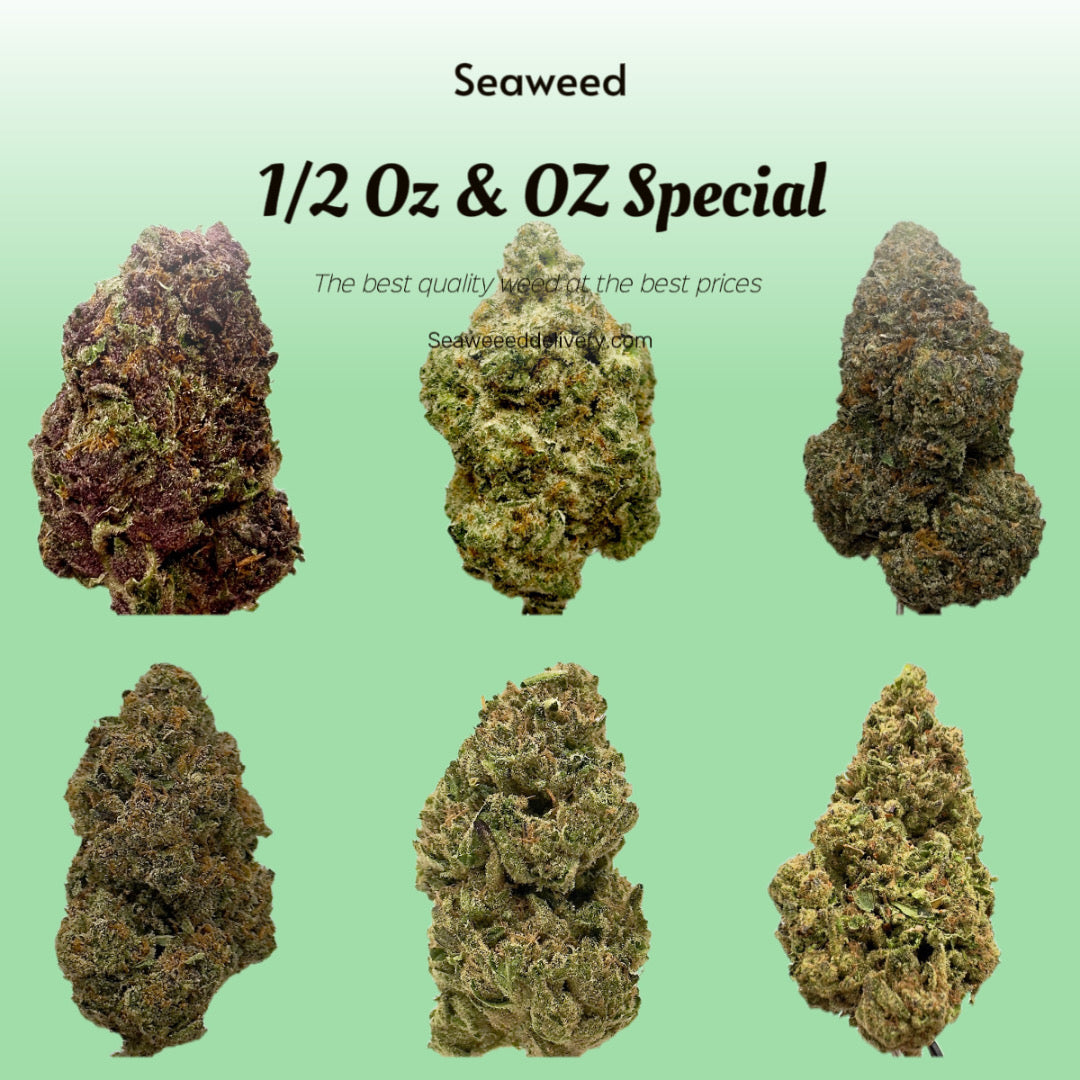
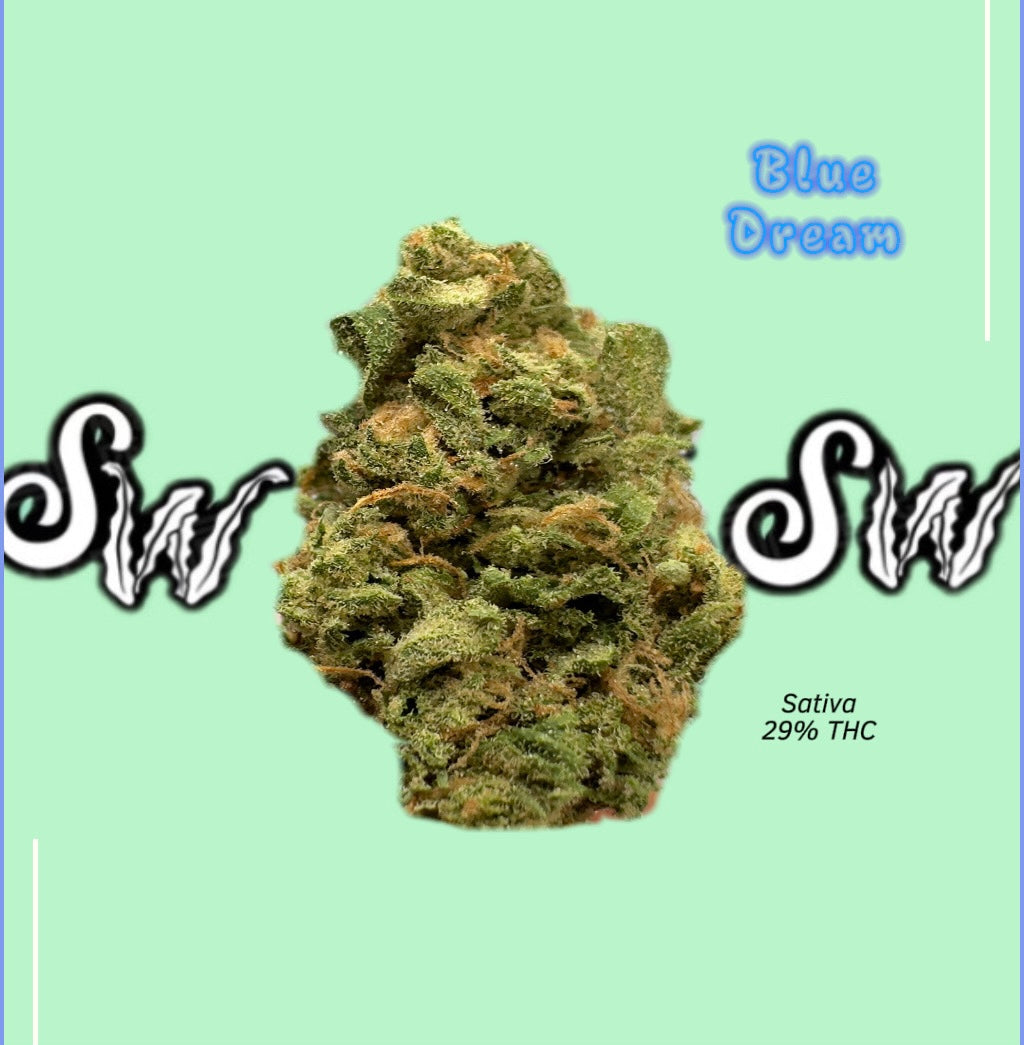
For flower, look at the strain selection, the jar appearance, and how fresh it smells when opened. Good flower has a distinct aroma, a slightly springy break, and no hay or ammonia notes. Browse our flower delivery menu and compare brands within the same strain type, indica-leaning against indica-leaning, so the comparison is fair.
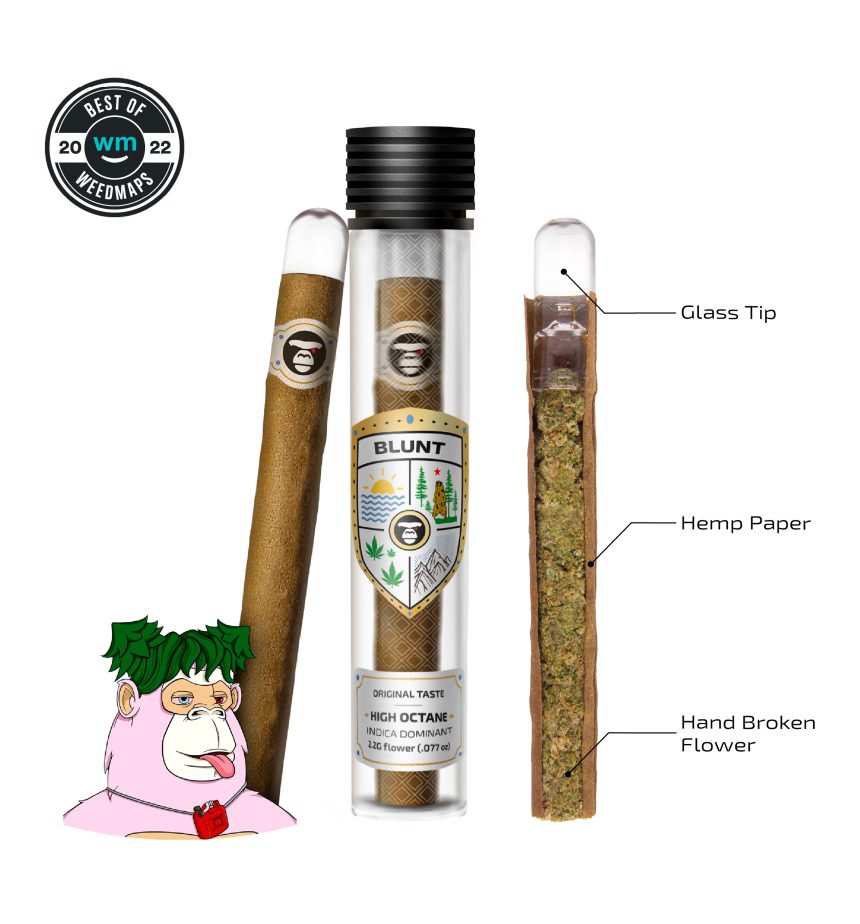
Pre-rolls are where brands cut corners most often. Check whether the roll is whole flower, or shake and trim. Our pre-roll selection lists the format on each product, so read it before you buy.
Cartridges
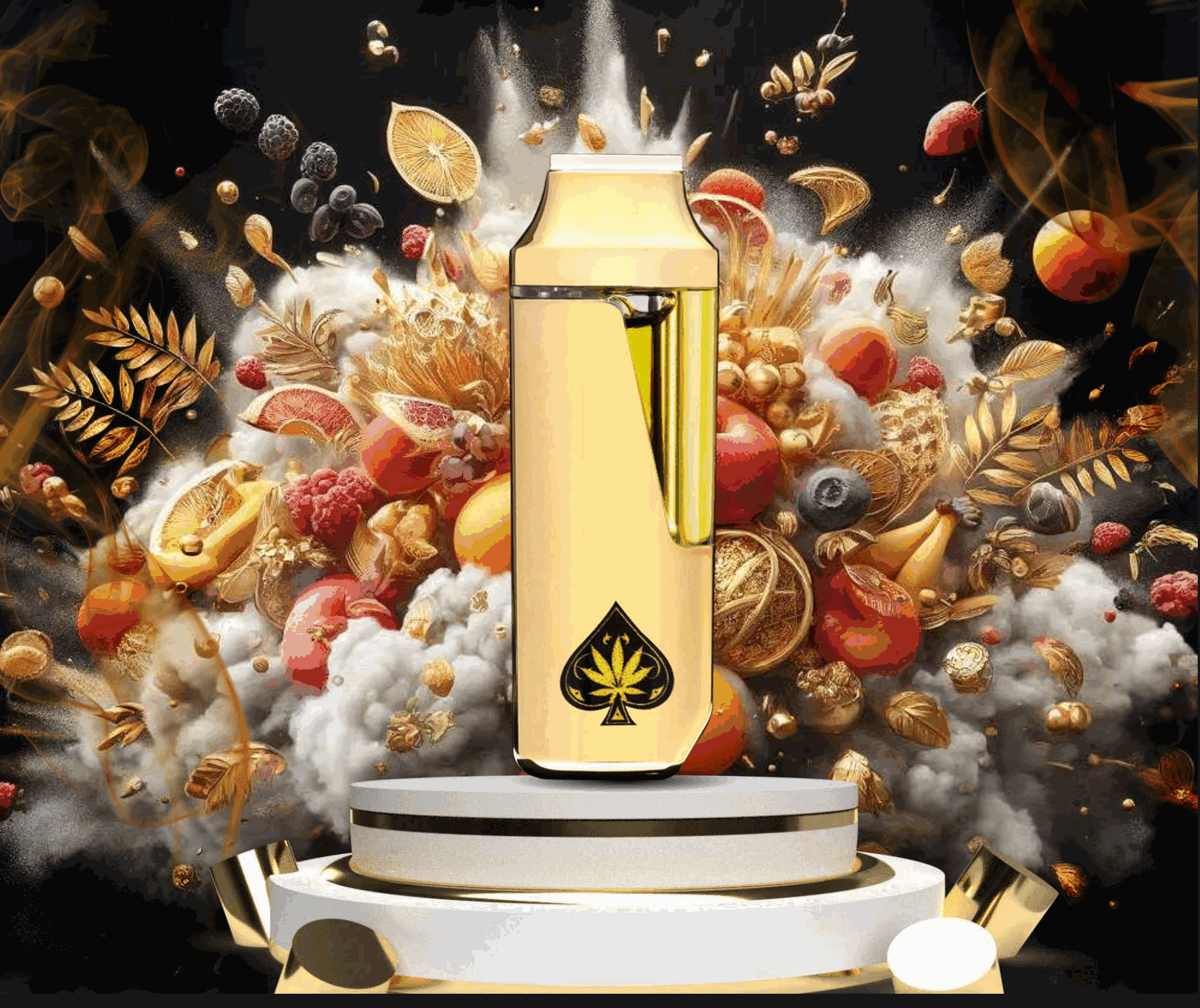
Vape quality depends on the oil type and the hardware. Distillate carts are typically clean and strong with terpenes added back in. Live resin and rosin carts keep more of the plant's original flavor. When you compare brands, compare like with like in our cartridge collection. A distillate cart and a live resin cart should not be judged against each other.
Edibles
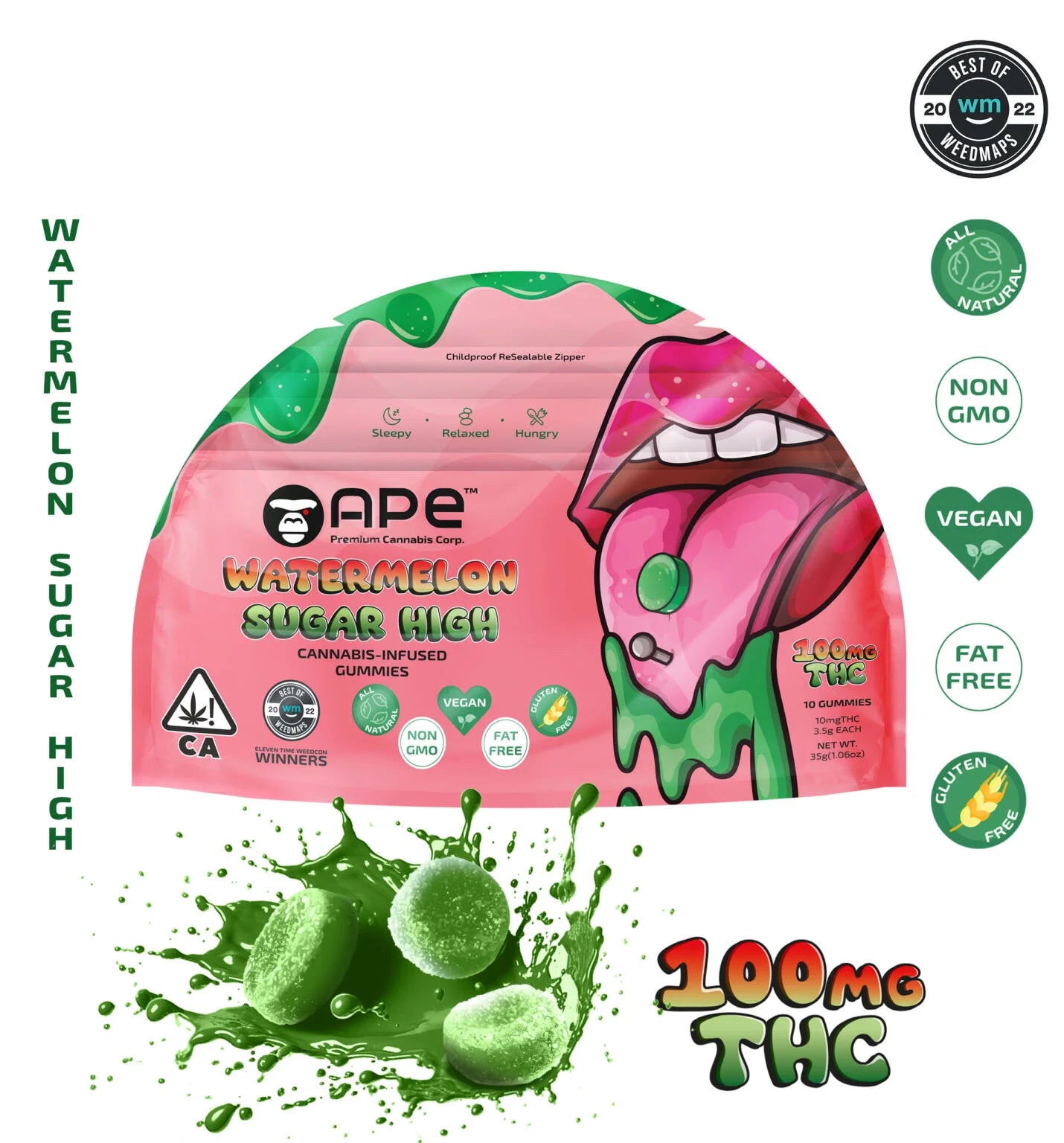
Dosing consistency matters most here. California caps adult-use edibles at 10 mg of THC per serving and 100 mg per package, so the real differences are taste, onset feel and how evenly the dose is spread through the product. Our edibles menu shows the per-piece dose, which is the number to compare.
Potency: How to Read THC Numbers Without Being Misled
Higher THC does not mean a better product. Past a certain point, the number tells you how strong the batch is, not how enjoyable it is.
When comparing 818 Brands against a competitor, look at these potency details:
- Total THC, not just THCa. For flower, the label usually lists THCa and a calculated total THC. Compare the total.
- Total cannabinoids. Minor cannabinoids like CBG and CBN affect how a batch feels, and a COA lists them.
- Terpene content. Two flowers with the same THC can feel different because of terpene profile. A batch with a richer terpene profile often has more character.
- Format context. Concentrates and carts run much higher than flower by design. Do not compare across formats.
Labeled potency also has a tolerance built in, so two batches from the same brand can read slightly differently. If you are new or coming back after a break, start with a lower-potency option and work up.
Lab Testing and COAs: The Real Tiebreaker
Every legal California cannabis product must pass testing at a licensed lab before it is sold. That covers potency, pesticides, heavy metals, microbials, residual solvents (for extracts), mycotoxins and foreign material. Passing is the minimum. Differences show up in what the report says and how easy it is to find.
Here is how to read a certificate of analysis (COA):
- Match the batch number. The batch or lot on the report must match the one on your package.
- Check the lab. It should be a state-licensed testing lab, with a license number on the document.
- Look for a pass on every panel. Pesticides, metals and microbials should all show a clear pass.
- Scan the terpene section. A full terpene breakdown suggests a brand that cares about the plant itself.
- Check the test date. Fresher is better, and it should be recent relative to the packaging date.
A brand that makes its COAs easy to pull up, usually through a QR code on the package, is showing you confidence. If you cannot find the report for a batch, treat that as a reason to pick something else.
Value: Cost Per Milligram Beats Sticker Price
The cheapest product is rarely the best deal, and the most expensive is rarely the best product. Value comes from what you get for what you spend, in the way you actually use it.
A fair way to compare:
- Flower: compare total THC and terpene content against jar weight, and weigh in freshness and bud quality.
- Carts: compare oil type first, then total cannabinoids against volume.
- Edibles: compare the per-serving dose and the number of servings, then ask whether you will actually finish the package.
- Bulk: if you buy regularly, check our half-oz and oz specials, which often change the value math for flower.
Repeat customers can also stretch their budget through our rewards program, which should be factored into the real cost of staying with a brand you like.
Side-by-Side Checklist for Any Brand Comparison
Use this table when you compare 818 Brands with any competitor on the menu. Fill it in per product, not per brand.
| Factor | What to check | Where to find it |
|---|---|---|
| Lineup | Strength in the format you actually buy | Menu category pages |
| Potency | Total THC, total cannabinoids, terpenes | Product label and COA |
| Testing | Batch match, licensed lab, all panels passed | COA via package QR code |
| Production | Distillate, live resin, rosin, whole flower or shake | Product description |
| Value | Dose or weight against what you will realistically use | Your own math, plus rewards |
| Experience | Flavor, smoothness, how the effects fit your plans | Your own side-by-side test |
How to Test 818 Brands Against a Competitor at Home
The most reliable comparison is your own. Lab numbers narrow the field, but taste and effect settle it.
- Pick two products in the same format and similar type, such as two indica-leaning pre-rolls or two live resin carts.
- Confirm both have a COA you can open for the batch you received.
- Try them on separate days, in similar settings, with a similar amount.
- Note flavor, smoothness, how long the effect lasts, and whether it fit what you wanted, whether that was winding down, stress relief, a social evening or creative time.
- Reorder the winner, and keep the other in mind for a different occasion.
Once your order is placed, you can follow it on our order tracking page. Our learn hub has more guides on reading labels and choosing formats.
The Bottom Line on 818 Brands vs Competitors
Treat 818 Brands the way you would treat any brand: by the batch, not the logo. If a specific 818 Brands product has a clean COA, a potency range that suits you and fair value for its format, it deserves a spot in your rotation. If a competitor beats it on those points in the same category, switch without guilt.
Product availability changes, so the most accurate lineup is always the live delivery menu. Compare, test, and keep what works. Please consume responsibly, and never drive after using cannabis.